
Behaviour help · Reactivity
Dog reactivity training in Toronto
Lunging, barking, spinning at the end of the leash every time another dog comes round the corner. It is the case Mark sees more than any other.
Nine of every ten dogs Mark works with are not aggressive at all. They are frightened — and the leash is what turns that fear into a scene.
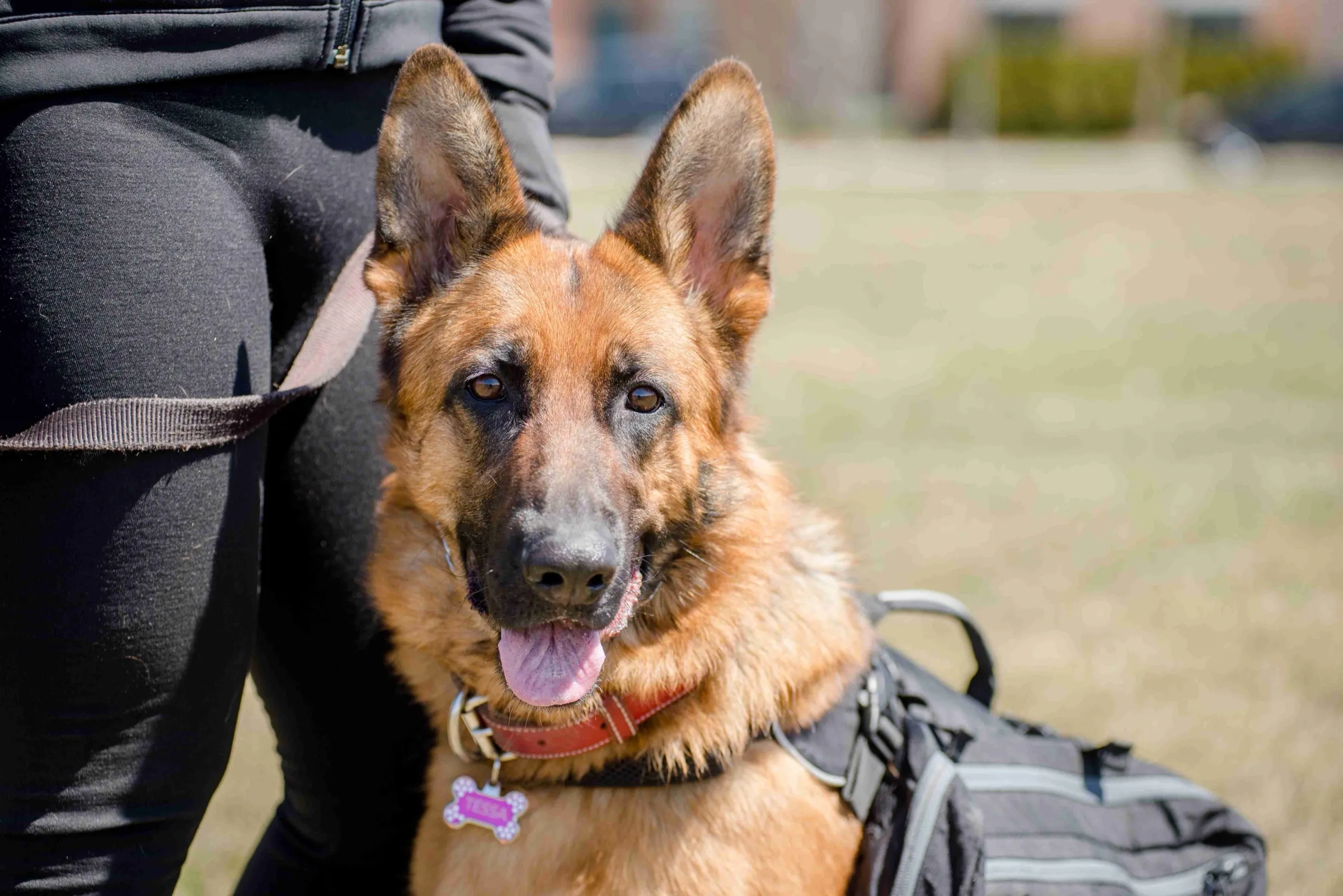
Is this your dog?
Lunges, barks or screams the moment another dog appears
Fine off leash at the park, impossible on the sidewalk
You cross the road, change your route, or walk at six in the morning
Pulls so hard you have hurt a shoulder, a wrist or your back
Text Mark a few lines about it. He has been doing this since 1992 and he has seen every version of it.
What it looks like
Three kinds of reactivity
Dog to dog, on leash
Bikes, cars, skateboards, people
Frustration, not fear
What Mark does
It starts with the walk, not the trigger
Most reactivity is built on the leash. A tight leash meets a tense dog, tension answers tension, and that pressure has to come out somewhere. Change how the leash is used and most of the reaction has nowhere to start from.
So the first thing Mark builds with you is the structured walk. Your dog walks at your pace, looks at whatever it likes, and does not get to follow the thought. You make the choices. An hour like that is worth three hours off leash, and it sets the tone for the rest of the day.
Then it is timing. Mark catches your dog at a three out of ten, not at an eight. At three you can bring it back to calm and your dog can still learn something from it. At eight it has stopped hearing you, the way a person mid road-rage has stopped hearing anyone. Catch it early enough, often enough, and the dog stops going there at all.
The correction is never to hurt and never to intimidate. It is a signal — moving air, close to what one calm dog does to another. Mark works on a slip lead and will show you how to hold it, because the technique is most of the result.
And no treats for a dog that is already over threshold. A dog that frightened cannot think about food any more than you could. If treats were going to fix this, you would have fixed it already.
The structured walk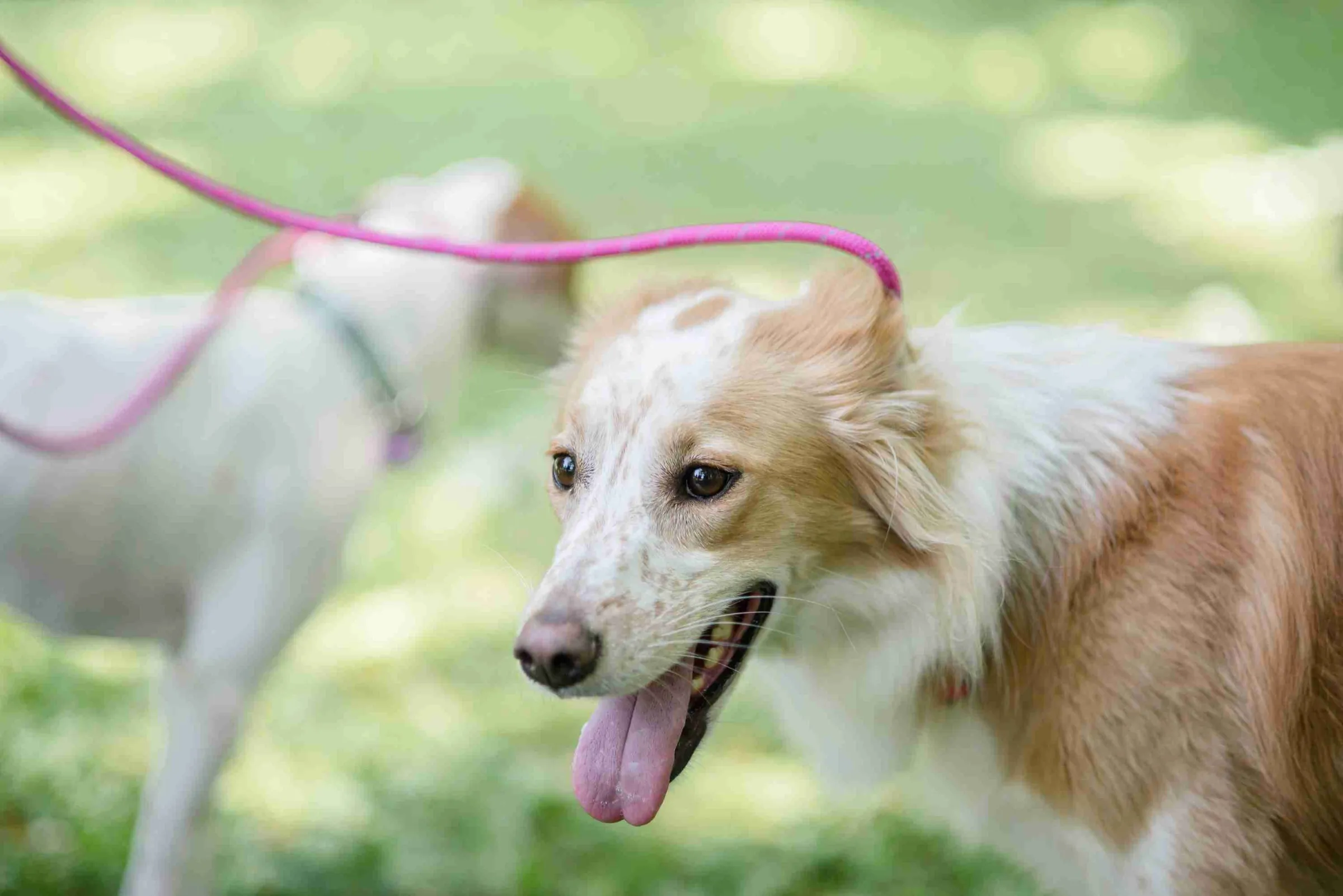
Honest expectations
No miracle promises
The first session decides the plan — nobody is sold ten sessions on a phone call. Most dogs genuinely need one to three sessions. Serious or long-standing cases take a program, and Mark will tell you which is which after the first session with your dog. In his own experience most dogs change inside fourteen days, provided you keep the walk going between sessions and do what Mark has shown you, properly.
Start with the free call
Twenty minutes, no pressure. Tell Mark what is going on; he will tell you honestly whether he can help.
Also worth reading