
Behaviour help · Anxiety + separation
Dog separation anxiety training in Toronto
The dog that panics when you leave. Barking, scratching at the door, pacing that never settles — and a walk that is one long flinch.
An anxious dog is not being difficult or getting back at you. Sometimes it is nobody's fault, dog or owner: some dogs are born nervous, with the fear handed down from a parent. Either way it has never been shown how to switch off, and that can be taught.
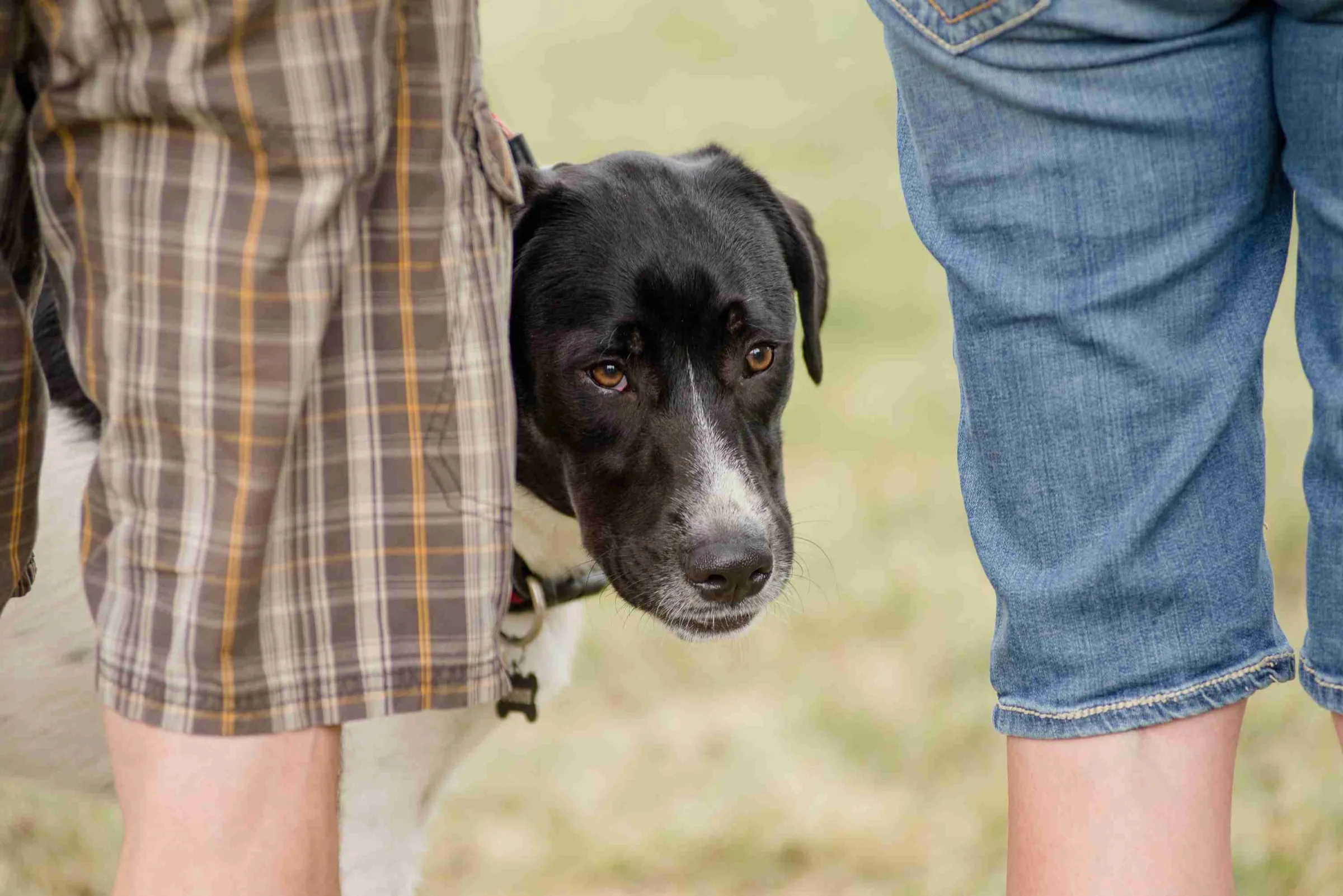
Is this your dog?
Barks, howls or cries from the moment the door closes
Scratches at doors and windows, or has already destroyed one
Follows you room to room and cannot settle when you sit down
Meets you at the door frantic rather than happy
Text Mark what happens when you leave — how long it lasts, what the neighbours hear, what you have found when you got home.
What it looks like
Three kinds of anxiety
Panic when you leave
Anxiety that never switches off
The frantic homecoming
What Mark does
Mark does not come to your home
The honest part first: Mark does not do home visits. He works with you outdoors — your street, your park, the places your dog already struggles. If what you want is a trainer sitting in your living room while you practise leaving, this is not that.
What he can change is the state your dog is in long before you pick up your keys. Dogs sleep most of the day, and a dog that has had a properly structured walk comes home ready to nap. A dog that has dragged you round the block for twenty minutes comes home wired — and then you leave.
So the work is the walk. Your pace, your choices, your dog allowed to look at the world without following every thought about it. Mark builds that with you on a slip lead and shows you how to hold it. Nothing in it is meant to hurt or intimidate your dog; it is a signal, closer to what one calm dog does to another.
Then he coaches you through the routine — the leaving, the coming back, and not making a ceremony of either — outdoors, during the session, so you can run it yourself at home that evening.
What he will not do is promise you a fix over text. Separation cases vary more than anything else he works with, and some of them need your vet in the conversation as well as a trainer. If that is your dog, he will say so.
The structured walkHonest expectations
No miracle promises
The first session decides the plan — nobody is sold ten sessions on a phone call. Separation is the least predictable thing Mark works with: some dogs shift quickly once the walk and the routine change, and some take longer. He will tell you which after he has seen your dog, not before.
Mark does not do home visits. Text him what happens when you leave, and he will tell you honestly whether his approach fits your dog.
Text Mark what happens when you leave
Describe the noise, the damage, how long it goes on. He answers himself, and he will tell you straight whether this is a case he can help with.
Also worth reading
Reactivity
Lunging and barking on leash — the most common case Mark sees.
Aggression
Growling, snapping, biting — and how Mark reads the difference.
Resource guarding
Food, toys, a person — guarding is fear with a plan.
Not sure which? Take the quiz
Seven questions, an honest read, the right next step.